Drain Cleaning Service · Centennial
Preventing Kitchen Drain Grease Buildup in Centennial Homes
By , · Published August 31, 2026 · 2,192 words
The short answer
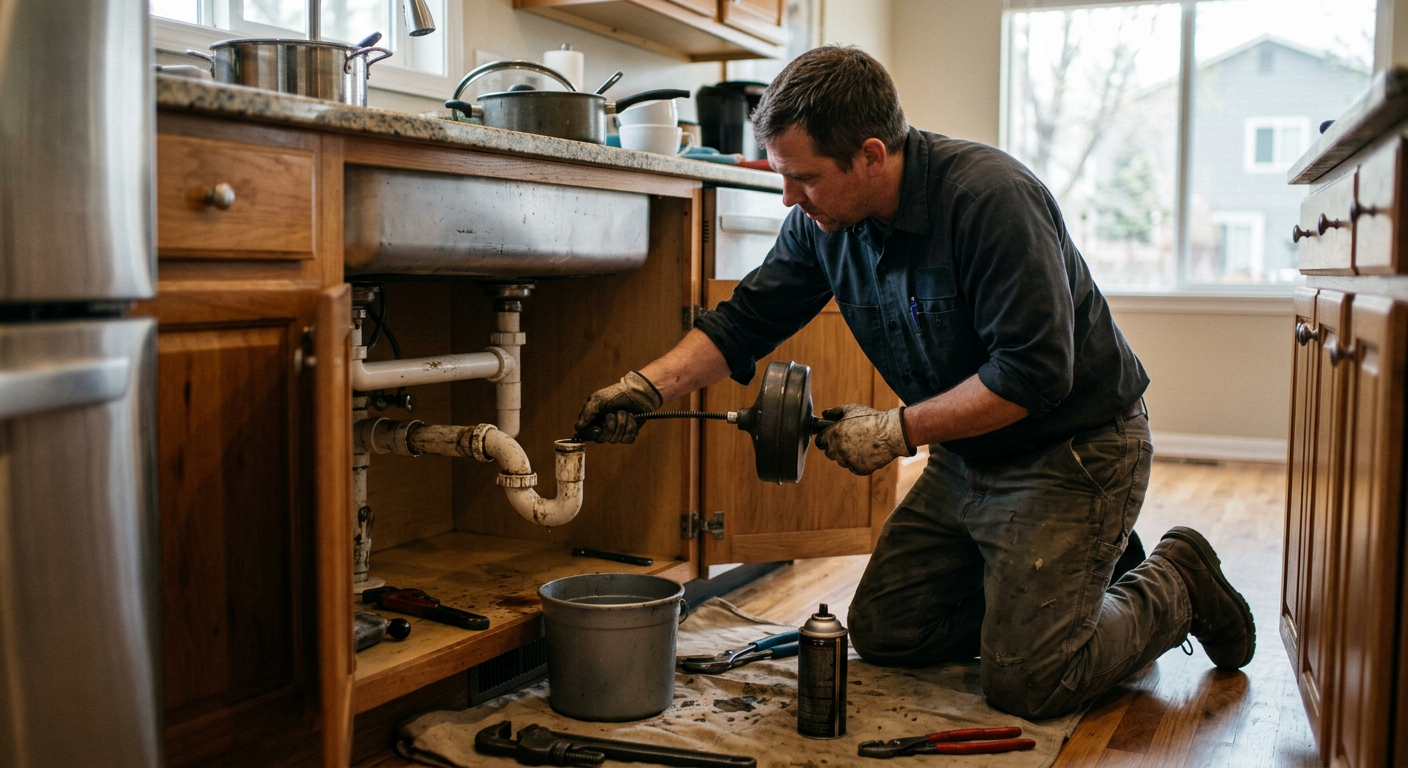
Kitchen drain grease buildup occurs when warm fats, oils, and grease enter the sink, travel downstream, and cool into viscous deposits along the pipe walls. In Centennial homes, cold subterranean temperatures accelerate this solidification. Preventing grease accumulation requires capturing cooking fats before rinsing, avoiding chemical cleaners that mobilize sludge deeper into lines, and scheduling professional drain cleaning service when flow rates drop.
Key takeaways
- Fats, oils, and grease (FOG) stick to pipe walls immediately upon cooling and capture food debris.
- Centennial's winter ground temperatures cause kitchen waste lines to cool rapidly, accelerating grease solidification.
- Chemical drain openers liquefy grease only temporarily, pushing sticky obstructions further downstream into main branches.
- Scraping plates into trash bins and wiping pans with paper towels eliminates the majority of kitchen grease entry.
- Professional drain cleaning service restores internal pipe diameter safely using mechanical cutters without pipe wall damage.
Managing kitchen drain grease buildup is essential for maintaining dependable household plumbing across Centennial and the greater Denver Metro area. When liquid fats, cooking oils, animal tallow, and dairy residues enter the kitchen sink, they appear to wash away smoothly with hot running water. However, as this waste stream travels beyond the sink trap and into unheated building cavities or underground branches, thermal loss causes fats, oils, and grease (FOG) to cool, congeal, and adhere to interior pipe surfaces. Over months of routine food preparation, these deposits build in concentric layers, constricting the pipe's interior diameter and catching food particulates. Understanding the mechanics of grease accumulation allows homeowners to implement practical prevention routines and recognize when professional drain cleaning service is necessary to clear obstructed kitchen waste lines.
What causes kitchen drain grease buildup inside residential waste lines?
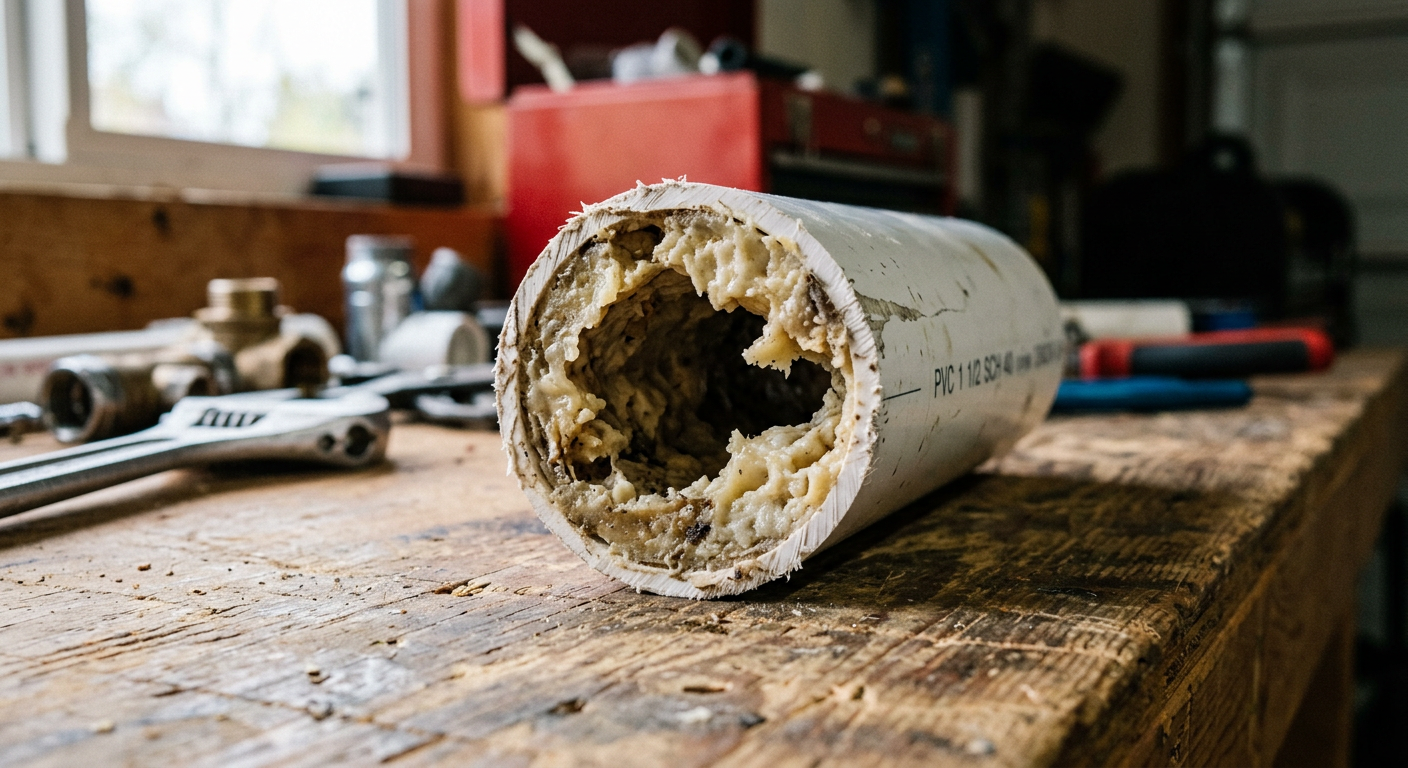
Kitchen drain grease buildup occurs when warm cooking lipids undergo thermal cooling and chemical saponification as they travel down residential branch lines. Even small amounts of butter, cooking oil, bacon grease, mayonnaise, and meat trimmings stick to the microscopic irregularities of pipe walls. As subsequent wastewater passes through, microscopic food solids such as coffee grounds, rice grains, and fibrous vegetable matter become trapped in the tacky grease lining. This gradual aggregation reduces wastewater velocity, accelerating the rate at which additional suspended solids drop out of flow and settle on the pipe bottom. Over time, the restriction hardens into a dense, soap-like obstruction known in the plumbing trade as a grease choke.
Residential kitchen lines typically use 1.5-inch to 2-inch diameter piping, which provides a relatively small cross-sectional area compared to primary home sewer trunks. Because the kitchen sink receives high volumes of organic material alongside grease, this narrower conduit is uniquely susceptible to progressive narrowing. Unlike bathroom lines that primarily handle soluble soaps and light organic waste, kitchen pipes must transport heavy fats that remain hydrophobic, meaning they resist water and cling to pipe materials indefinitely unless mechanically removed.
Why kitchen drain grease buildup accelerates in cold Centennial soils
Centennial properties experience accelerated kitchen drain grease buildup because winter soil temperatures in the Front Range dramatically drop the baseline thermal level of underground and crawlspace plumbing lines. When hot, greasy dishwater leaves the sink basin at 120 degrees Fahrenheit, it rapidly loses heat as it enters drain runs routed through uninsulated basements, cantilevered floors, or exterior walls. Once the pipe wall temperature falls below the melting point of animal fats (typically between 95 and 115 degrees Fahrenheit), the grease solidifies almost instantly upon contact with the pipe perimeter.
This regional temperature dynamic is particularly pronounced in Centennial neighborhoods built during the 1970s and 1980s, where kitchen drains often run long horizontal distances under concrete slab foundations or through ventilated crawlspaces before tying into the central sewer stack. As discussed in our guide to sewer line cleaning frequency in Aurora and Centennial, structural exposure to low ambient temperatures makes regular mechanical maintenance essential for preserving free-flowing residential laterals.
Daily habits that keep fats, oils, and grease out of kitchen piping
Preventing grease accumulation in Centennial homes requires intercepting cooking fats before they ever reach the sink basin or dishwasher inlet. Establishing disciplined kitchen prep and cleanup protocols eliminates up to 90 percent of the FOG volume that typically enters residential plumbing systems. Implementing simple physical capture techniques prevents the need for emergency rooter and line clearing calls caused by sudden grease clogs.
Proper disposal methods for cooking fats and animal tallow
Cooking fats should always be collected in heat-safe metal cans or glass jars and allowed to solidify before being placed in municipal trash receptacles. Pouring liquid bacon fat, beef tallow, or poultry drippings directly into the sink—even when accompanied by boiling water—guarantees pipe accumulation further down the line. For liquid cooking oils like canola, olive, or vegetable oil that do not fully solidify at room temperature, absorb the oil with used paper towels or mix it with cat litter before bagging and discarding it in the household trash.
Best practices for garbage disposal use and dishware prep
Garbage disposals should never be used as a primary waste receptacle for oily food scraps, dairy products, or buttery sauces. Before washing cookware, roasting pans, and dinner plates, use a dry silicone spatula or paper towel to scrape surface grease and food debris into the trash can. When operating the garbage disposal for allowable light vegetable trimmings, always run cold water rather than hot water; cold water keeps any minor trace fats in a solid state so the disposal's impellers can chop them into small particles rather than smearing melted grease across the internal drainage components.
How plumbing design and pipe materials influence grease accumulation
The structural layout and internal material texture of your home's kitchen drainage system directly dictate how quickly grease deposits accumulate. Smooth-walled modern plastics like ABS and PVC resist chemical corrosion, but their internal surfaces still accumulate oily films that gradually capture food waste. Older cast iron and galvanized steel lines, common in mature Centennial and Englewood neighborhoods, possess rough, oxidised internal surfaces that provide immediate anchor points for sticky lipids.
| Substance Type | Melting/Solidification Point | Pipe Adhesion Risk | Recommended Disposal Protocol |
|---|---|---|---|
| Bacon Fat / Tallow | 95°F – 115°F | Extreme (Hardens into dense wax) | Pour into metal can, solidify, discard in trash |
| Butter / Margarine | 90°F – 95°F | High (Emulsifies then redeposits) | Wipe cookware with paper towel before washing |
| Vegetable / Olive Oil | 15°F – 40°F (Liquid at room temp) | Moderate (Creates sticky surface film) | Absorb with paper towels or mix with absorbent solids |
| Dairy (Cream / Cheese) | 80°F – 90°F | High (Coagulates with warm water) | Scrape into trash; avoid pouring sour milk down sink |
| Salad Dressings / Sauces | Varies (Fat/Emulsion blend) | High (Binds with food sediment) | Scrape completely into waste bin prior to sink rinse |
Beyond pipe material, the physical slope (pitch) of the horizontal drain line plays a major role in waste clearance. Proper plumbing code mandates a 1/4-inch drop per linear foot of pipe run. If a kitchen branch settles, sags, or was installed with inadequate fall, wastewater velocity drops below the threshold required to carry suspended solids, allowing grease to pool in low spots and create stubborn localized blockages.
Physical warning signs indicating grease restricts your kitchen line
Recognizing early warning signs of kitchen drain grease accumulation allows Centennial homeowners to seek professional service before experiencing a total drain stoppage. The earliest indicator is a gradual reduction in drainage speed, where water takes noticeably longer to empty from the sink basin after washing dishes. As the interior pipe diameter narrows, the moving water volume is restricted, creating a standing pool that slowly vortices downward.
Secondary symptoms include gurgling or glugging noises coming from the sink trap or adjacent plumbing vents as water struggles to pull air past a constricted grease choke. Additionally, decaying food matter trapped in warm grease deposits produces sour, rancid odors that waft up through the sink strainer or garbage disposal opening. If wastewater begins backing up into the second basin of a double sink when running the disposal or dishwasher, the branch pipe is critically narrowed and requires prompt drain cleaning service.
Safe home maintenance routines versus harmful chemical drain cleaners
Routine home maintenance using safe thermal and mechanical methods protects residential pipes without the hazards associated with commercial chemical drain cleaners. Pouring several quarts of near-boiling water down the kitchen sink once a week helps sweep away thin surface films of fresh, unhardened oils before they attract heavy food debris. Combining this flush with a mild baking soda and vinegar rinse can assist in breaking down surface films and neutralizing organic odors inside the P-trap assembly.
Conversely, caustic chemical drain openers containing sodium hydroxide or sulfuric acid should be strictly avoided. These harsh chemicals produce an exothermic reaction that can soften or warp plastic PVC fittings and eat away at the threaded joints of older metal plumbing. More importantly, chemical cleaners rarely dissolve dense grease chokes completely; instead, they bore a small pinhole through the center of the blockage or liquefy the top layer, which flows several feet down the line, cools, and forms an even harder blockage that is more difficult to access.
- Weekly hot water flushes: Pour 1 gallon of hot tap water down the drain to mobilize light surface residues.
- Mechanical strainers: Keep fine mesh strainers over sink basket openings to catch micro-solids.
- Avoid chemical gels: Steer clear of caustic chemical cleaners that corrode pipe joints and relocate clogs.
- Baking soda deodorizing: Use a monthly half-cup baking soda flush to neutralize sour organic food odors.
Professional drain cleaning methods for stubborn kitchen grease blockages
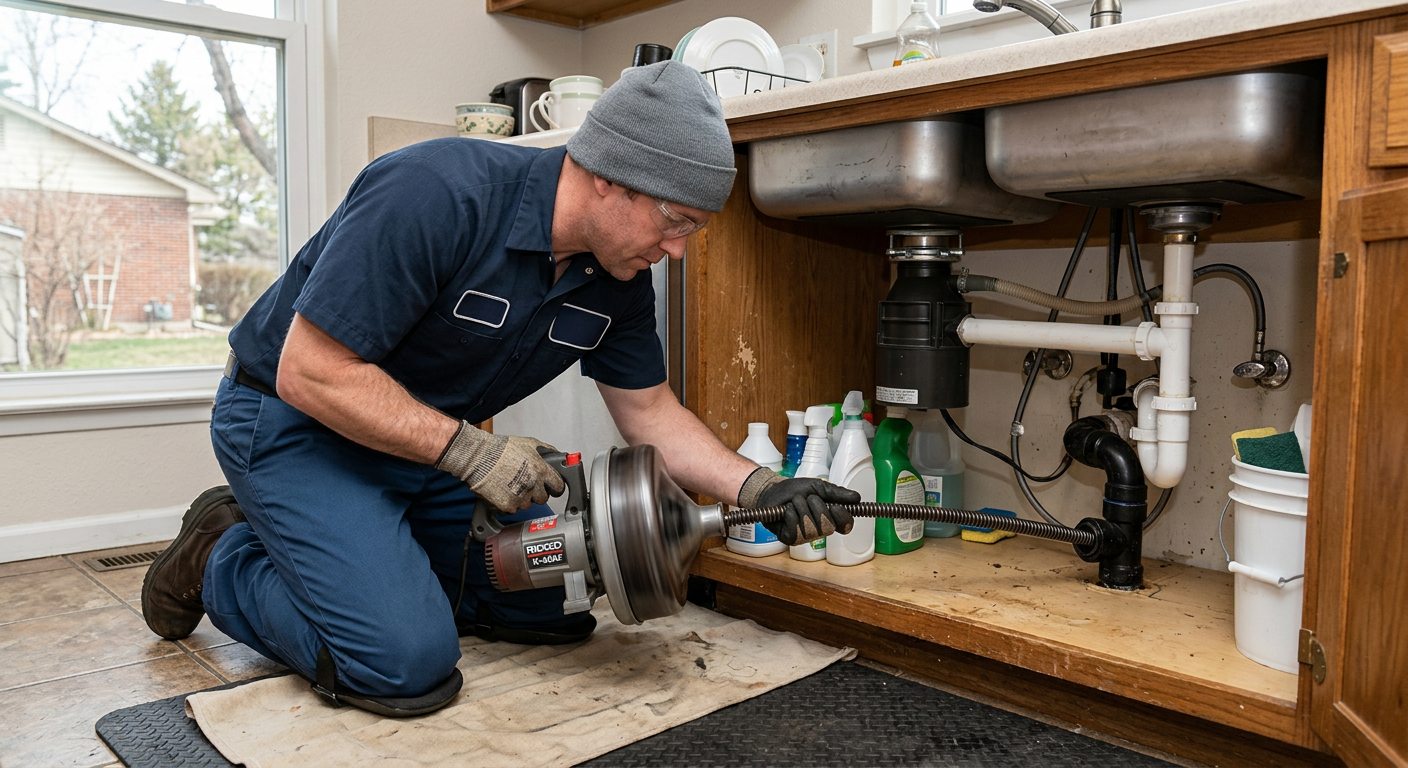
Professional drain cleaning service clears stubborn kitchen grease blockages by physically scouring the entire inner circumference of the affected piping. When home remedies fail to restore full flow, a qualified technician accesses the kitchen branch via an under-sink cleanout or an exterior access point using specialized mechanical equipment. Standard hand augers typically punch a temporary hole through soft grease, but dedicated rooter and drain machines equipped with specialized cutting blades shave hardened grease deposits clean down to the original pipe wall.
For severe, chronic grease accumulation or long horizontal kitchen runs, professional rooter service provides the torque and reach necessary to clear the line all the way to the main building drain. Centennial business owners facing heavy commercial kitchen buildup can also utilize tailored commercial drain solutions to handle grease-laden discharge lines from commercial dishwashers and food prep sinks, ensuring compliance and uninterrupted daily operations.
Creating a long-term kitchen drain maintenance plan in Centennial
Creating a dependable kitchen drain maintenance plan protects your home against sudden wastewater overflows and costly property disruptions. Combining diligent grease containment habits in the kitchen with periodic professional inspections ensures your plumbing system handles daily food prep without accumulating restrictive waste. By keeping cooking oils out of the disposal and scheduling drain cleaning service at the first sign of sluggish flow, Centennial homeowners can prevent stubborn kitchen drain grease buildup for years to come.
Frequently asked questions
- Can hot water and dish soap dissolve kitchen drain grease buildup?
- Hot water and liquid dish soap temporarily emulsify cooking grease near the sink basin, but they do not eliminate it. As the mixture flows several feet downstream into unconditioned crawlspaces or underground pipes, the water cools and the grease separates, coating the pipe walls further down the line.
- Why are chemical drain cleaners bad for clearing kitchen grease?
- Chemical drain cleaners generate localized heat and use caustic agents that soften grease just enough to shift it downstream, where it creates a denser blockage. Furthermore, repeated chemical applications generate corrosive reactions that damage older copper, brass, and cast iron drain assemblies.
- How do technicians clear heavy grease accumulations from a kitchen branch line?
- Technicians use specialized drain cleaning service machines equipped with expanding blade cutters or specialized grease-scraping heads. These tools traverse the full length of the 1.5-inch or 2-inch kitchen lateral, shearing solidified grease off the interior pipe perimeter and flushing the fragments into the larger municipal sewer main.
- Does running cold water while using the garbage disposal prevent grease buildup?
- Cold water solidifies grease into chunks rather than allowing it to coat the disposal blades, which helps food pass through the disposal chamber. However, those solid grease chunks still settle inside low-slope pipe runs downstream, meaning grease should never enter the disposal in the first place.
- How often should residential kitchen drains undergo professional cleaning?
- Most residential kitchen branch lines benefit from professional mechanical cleaning every two to three years, or immediately upon noticing slow drainage and bubbling sink basins. Homes with heavy cooking routines or complex horizontal pipe runs may require more frequent maintenance.
Talk to
Describe what you're seeing and we'll tell you what the next step looks like.
Keep reading
Kitchen Drain Grease Buildup Prevention Playbook
Learn how cooking fats solidify inside plumbing lines, why Centennial soil temperatures accelerate clogs, and how professional drain cleaning removes stubborn kitchen grease buildup.
Hydro Jetting vs Snaking a Main Drain: Centennial Comparison and Cost Expectations
Evaluate the technical capabilities and cost differences between hydro jetting and mechanical snaking for clearing stubborn main sewer obstructions in Centennial homes and commercial properties.
How Often Should a Main Line Be Cleaned? Aurora Sewer Line Cleaning Guide
Discover the ideal sewer main line cleaning frequency for Aurora homes and businesses, factoring in pipe age, mature trees, Front Range soils, and heavy waste demands.